TupiTea Review
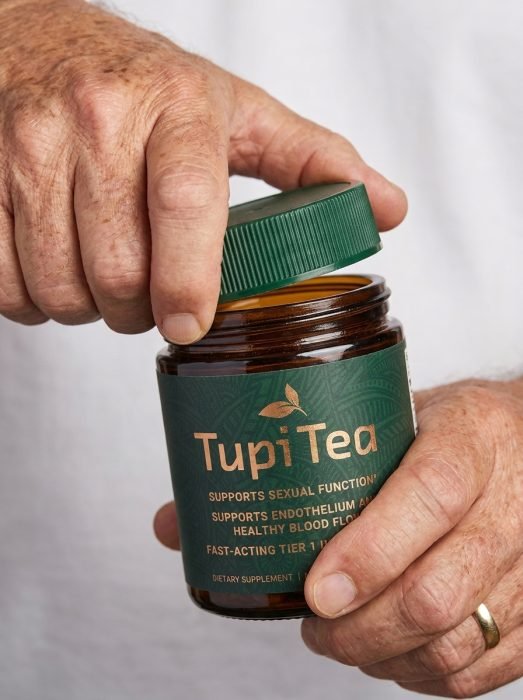
Tupi Tea Review: The Ancient Ritual Modern Men Are Quietly Turning To
There’s a conversation most men over 45 never have out loud. Not with their doctor, not with their partner, and often not even with themselves. It starts as an off night — easy to explain away. Then it becomes a pattern, and the explanations stop working. What follows isn’t just physical; it’s the quiet retreat from intimacy altogether, the avoidance, the fear of trying and falling short again.
Tupi Tea entered the market speaking directly into that silence — and it did so with an unusual angle. Instead of another synthetic pill promising a two-hour window, it presents itself as a fast-absorbing herbal powder built around plants long used in traditional practices for male vitality: Muira Puama, Ginkgo Biloba, Damiana, oyster-derived zinc, niacin and vitamin E.
What makes it worth a closer look is the approach. Tupi Tea isn’t marketed as an on-demand fix. It’s positioned as daily nutritional support — the kind meant to work with your body’s own systems, particularly circulation and hormonal balance, rather than override them. No prescription. No clinic visit. No conversation you’d rather not have.
But positioning is easy. Formulas are what matter. Over the next sections we’ll break down what Tupi Tea actually is, how the mechanism is supposed to work, every ingredient inside it, the safety profile, and where it genuinely falls short. If you’ve been on the fence, this is the analysis worth reading to the end.
Tupi Tea Review: The Ancient Ritual Modern Men Are Quietly Turning To
There’s a conversation most men over 45 never have out loud. Not with their doctor, not with their partner, and often not even with themselves. It starts as an off night — easy to explain away. Then it becomes a pattern, and the explanations stop working. What follows isn’t just physical; it’s the quiet retreat from intimacy altogether, the avoidance, the fear of trying and falling short again.
Tupi Tea entered the market speaking directly into that silence — and it did so with an unusual angle. Instead of another synthetic pill promising a two-hour window, it presents itself as a fast-absorbing herbal powder built around plants long used in traditional practices for male vitality: Muira Puama, Ginkgo Biloba, Damiana, oyster-derived zinc, niacin and vitamin E.
What makes it worth a closer look is the approach. Tupi Tea isn’t marketed as an on-demand fix. It’s positioned as daily nutritional support — the kind meant to work with your body’s own systems, particularly circulation and hormonal balance, rather than override them. No prescription. No clinic visit. No conversation you’d rather not have.
But positioning is easy. Formulas are what matter. Over the next sections we’ll break down what Tupi Tea actually is, how the mechanism is supposed to work, every ingredient inside it, the safety profile, and where it genuinely falls short. If you’ve been on the fence, this is the analysis worth reading to the end.
What Is Tupi Tea?
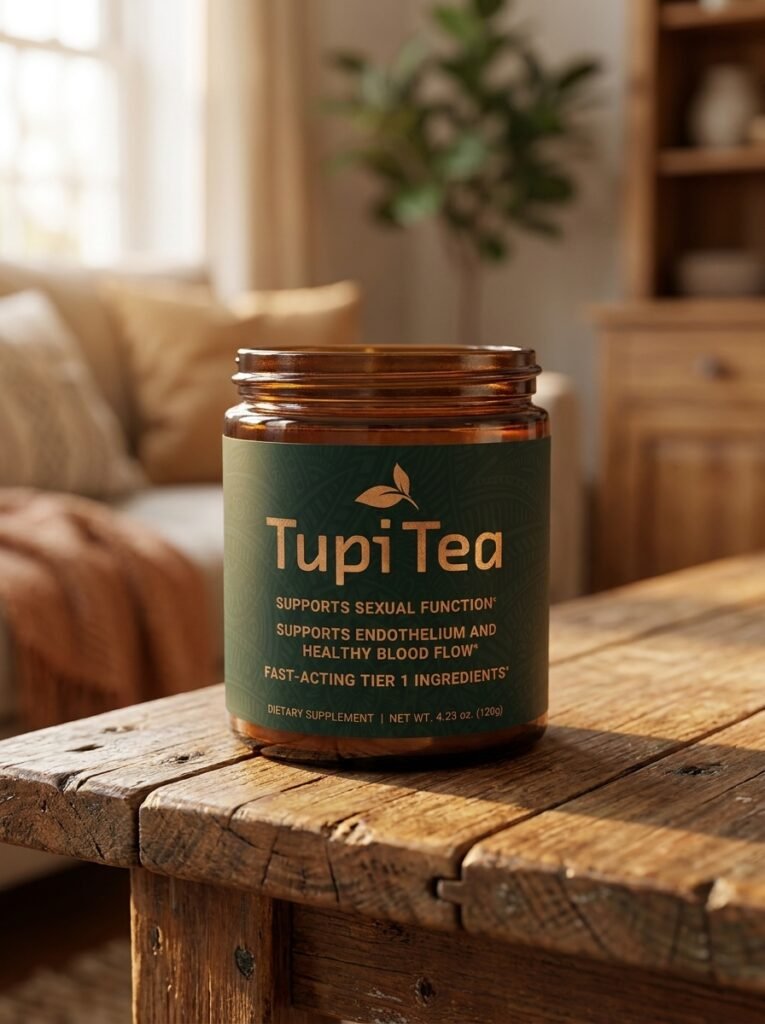
Tupi Tea is a dietary supplement in powder form, formulated for men who want to support sexual performance, energy and overall vitality using plant-based and nutrient-based ingredients. It’s designed to be mixed with water or a beverage of your choice and taken once daily — closer to a morning ritual than a medication schedule.
Its name references indigenous Tupi traditions of the Amazon region, where certain botanicals were valued for stamina and male strength. The brand draws on that heritage as inspiration, then combines those traditional plants with modern nutritional additions like zinc, niacin and vitamin E — nutrients with recognized roles in hormonal and cardiovascular health.
The core philosophy separates it from mainstream options. Rather than temporarily forcing a physical response, Tupi Tea targets what the brand identifies as the underlying territory: healthy blood flow, endothelial function, hormonal balance and energy metabolism. It’s a foundational approach rather than a reactive one.
Practically speaking, it’s a non-prescription product, free of habit-forming compounds, produced in a GMP-certified facility in the United States, and shipped in discreet packaging. Nothing about the purchase, delivery or daily use announces itself — which for many men is precisely the point.
What Is Tupi Tea?
Tupi Tea is a dietary supplement in powder form, formulated for men who want to support sexual performance, energy and overall vitality using plant-based and nutrient-based ingredients. It’s designed to be mixed with water or a beverage of your choice and taken once daily — closer to a morning ritual than a medication schedule.
Its name references indigenous Tupi traditions of the Amazon region, where certain botanicals were valued for stamina and male strength. The brand draws on that heritage as inspiration, then combines those traditional plants with modern nutritional additions like zinc, niacin and vitamin E — nutrients with recognized roles in hormonal and cardiovascular health.
The core philosophy separates it from mainstream options. Rather than temporarily forcing a physical response, Tupi Tea targets what the brand identifies as the underlying territory: healthy blood flow, endothelial function, hormonal balance and energy metabolism. It’s a foundational approach rather than a reactive one.
Practically speaking, it’s a non-prescription product, free of habit-forming compounds, produced in a GMP-certified facility in the United States, and shipped in discreet packaging. Nothing about the purchase, delivery or daily use announces itself — which for many men is precisely the point.
Still Worth It?
The male vitality market is crowded and, frankly, full of noise. Products appear, spend heavily on ads, and vanish once refunds catch up. So the fair question isn’t whether Tupi Tea sounds good — it’s whether it still holds up now that the initial hype has cooled.
The honest answer: it holds up better than most, for specific reasons. The ingredient list is transparent and recognizable — no proprietary blends hiding behind vague labels. The powder format allows faster absorption than compressed capsules. It’s manufactured in a GMP-certified U.S. facility. And it carries a 90-day money-back guarantee, which shifts the financial risk onto the company rather than you.
Where it isn’t worth it: if you’re expecting a same-day result. Tupi Tea is nutritional support, not pharmaceutical intervention. Men reporting the most meaningful changes describe consistent use over 8 to 12 weeks. If you can’t commit to that, no formula in this category will satisfy you.
So — still worth it? For a man willing to give a natural approach a genuine three-month window, backed by a guarantee that covers exactly that period, yes.
Still Worth It?
The male vitality market is crowded and, frankly, full of noise. Products appear, spend heavily on ads, and vanish once refunds catch up. So the fair question isn’t whether Tupi Tea sounds good — it’s whether it still holds up now that the initial hype has cooled.
The honest answer: it holds up better than most, for specific reasons. The ingredient list is transparent and recognizable — no proprietary blends hiding behind vague labels. The powder format allows faster absorption than compressed capsules. It’s manufactured in a GMP-certified U.S. facility. And it carries a 90-day money-back guarantee, which shifts the financial risk onto the company rather than you.
Where it isn’t worth it: if you’re expecting a same-day result. Tupi Tea is nutritional support, not pharmaceutical intervention. Men reporting the most meaningful changes describe consistent use over 8 to 12 weeks. If you can’t commit to that, no formula in this category will satisfy you.
So — still worth it? For a man willing to give a natural approach a genuine three-month window, backed by a guarantee that covers exactly that period, yes.
How Does Tupi Tea Work?
The mechanism Tupi Tea is built around starts with circulation. Erectile function depends heavily on blood flow, and blood flow depends on the health of the endothelium — the inner lining of blood vessels responsible for producing nitric oxide, the signal that tells vessels to relax and widen. As men age, that signaling tends to weaken. Ingredients like Ginkgo Biloba are traditionally associated with supporting healthy circulation.
The second pillar is hormonal support. Testosterone influences libido, drive, mood, muscle tone and energy. Zinc is a well-established nutrient in the maintenance of normal testosterone levels, and the oyster extract in Tupi Tea serves as its natural source. Botanicals like Muira Puama and Damiana have long histories of traditional use as aphrodisiacs and mood-lifting tonics.
Third comes energy and stress. Performance isn’t purely mechanical — fatigue and mental pressure suppress desire independently of any physical capacity. Several ingredients in the formula are traditionally used to support stamina and a calmer, more focused state, which indirectly supports confidence and interest.
Because these are nutritional pathways rather than pharmacological ones, the timeline is gradual. The first shifts men typically describe are in energy and mood within the first weeks, with more noticeable changes in drive and performance emerging with continued daily use across the second and third month.
Benefits of Tupi Tea
Supports Healthy Blood Flow and Circulation
This is the foundation everything else rests on. Erectile function is, at its core, a circulatory event — it depends on blood vessels relaxing and allowing adequate flow at the right moment. With age, that signaling grows less efficient. Ingredients like Ginkgo Biloba and Epimedium (Barrenwort) are traditionally associated with supporting healthy peripheral circulation, while niacin contributes vasodilatory activity. The practical implication reaches beyond the bedroom: better circulation supports warmer extremities, faster recovery after exertion, and sharper mental clarity.
Contributes to Normal Testosterone Levels
Zinc is one of the few nutrients with genuinely established authorized health claims in this territory — it contributes to the maintenance of normal testosterone levels in the blood, as well as to normal fertility and reproduction. Tupi Tea sources it from oyster extract, among the richest natural concentrations available. Testosterone doesn’t only govern libido; it influences mood stability, muscle tone, bone density, motivation and how energetic you feel walking into an ordinary Tuesday. Supporting normal levels supports all of it.
Supports Libido and Sexual Desire
Desire and capacity are separate systems, and many men lose the first before the second. Muira Puama — “potency wood” in the Amazon — and Damiana both carry long traditions of use as aphrodisiac tonics, valued specifically for restoring interest rather than mechanics. This matters because desire is what makes intimacy feel spontaneous instead of scheduled. Men who report satisfaction with formulas in this category frequently describe the return of wanting as the change they noticed first.
Helps Reduce Tiredness and Fatigue
Fatigue is the most underestimated saboteur of intimacy. A man exhausted at 10 p.m. has no physical problem — he has an energy problem, and no circulatory support will compensate for it. Niacin contributes to normal energy-yielding metabolism and to the reduction of tiredness and fatigue, while the botanical profile is traditionally linked to stamina and endurance. The result men typically describe is not a stimulant rush but a steadier baseline: fewer afternoon crashes, more available energy at the end of the day.
Protects Cells from Oxidative Stress
Vitamin E contributes to the protection of cells from oxidative damage — and this is directly relevant to vascular health, since oxidative stress is one of the mechanisms by which blood vessels lose flexibility over time. Think of it as maintenance rather than performance: it addresses part of why circulation declines with age instead of merely compensating for the decline. It’s the quietest benefit in the formula and arguably the most important long-term.
Supports Stamina and Physical Endurance
Performance is not a single moment; it’s the ability to sustain one. The combination of improved energy metabolism, circulatory support and traditionally used stamina botanicals is aimed at endurance rather than an isolated peak. Men often report this benefit showing up outside the bedroom first — during workouts, on longer walks, through demanding workdays — before they notice it where they were actually hoping to.
Promotes Calm and Confidence
There’s a cycle almost every man in this situation recognizes: a disappointing experience creates anxiety, anxiety triggers stress hormones that constrict blood vessels, and constricted vessels produce another disappointing experience. Damiana is traditionally valued for its gentle, mood-lifting and relaxing character, which addresses the psychological side of the loop. Breaking that cycle is frequently what makes the physical improvements finally register.
Supports Prostate and Urinary Comfort
Zinc concentrates in prostate tissue at higher levels than almost anywhere else in the body, and several botanicals in the traditional male-vitality category are associated with urinary comfort. For men interrupted twice a night by their bladder, this is far from a footnote — uninterrupted sleep restores energy, mood and hormonal rhythm, all of which feed back into everything above.
Simple Once-Daily Powder
No pills to swallow, no capsule shells to break down, no complicated protocol. One scoop into water, juice or a smoothie, once a day. The powder format allows faster dissolution and absorption than compressed tablets, and the practical benefit is compliance — a supplement only works if you actually take it consistently, and simplicity is what makes consistency happen.
Complete Discretion, Start to Finish
No prescription. No appointment. No conversation with anyone you’d rather not have it with. Orders arrive in plain, unmarked packaging, and daily use looks like nothing more than a morning drink. For a subject most men have kept private for years, the ability to address it without disclosing it is a genuine part of the value.

Benefits of Tupi Tea

Supports Healthy Blood Flow and Circulation
This is the foundation everything else rests on. Erectile function is, at its core, a circulatory event — it depends on blood vessels relaxing and allowing adequate flow at the right moment. With age, that signaling grows less efficient. Ingredients like Ginkgo Biloba and Epimedium (Barrenwort) are traditionally associated with supporting healthy peripheral circulation, while niacin contributes vasodilatory activity. The practical implication reaches beyond the bedroom: better circulation supports warmer extremities, faster recovery after exertion, and sharper mental clarity.
Contributes to Normal Testosterone Levels
Zinc is one of the few nutrients with genuinely established authorized health claims in this territory — it contributes to the maintenance of normal testosterone levels in the blood, as well as to normal fertility and reproduction. Tupi Tea sources it from oyster extract, among the richest natural concentrations available. Testosterone doesn’t only govern libido; it influences mood stability, muscle tone, bone density, motivation and how energetic you feel walking into an ordinary Tuesday. Supporting normal levels supports all of it.
Supports Libido and Sexual Desire
Desire and capacity are separate systems, and many men lose the first before the second. Muira Puama — “potency wood” in the Amazon — and Damiana both carry long traditions of use as aphrodisiac tonics, valued specifically for restoring interest rather than mechanics. This matters because desire is what makes intimacy feel spontaneous instead of scheduled. Men who report satisfaction with formulas in this category frequently describe the return of wanting as the change they noticed first.
Helps Reduce Tiredness and Fatigue
Fatigue is the most underestimated saboteur of intimacy. A man exhausted at 10 p.m. has no physical problem — he has an energy problem, and no circulatory support will compensate for it. Niacin contributes to normal energy-yielding metabolism and to the reduction of tiredness and fatigue, while the botanical profile is traditionally linked to stamina and endurance. The result men typically describe is not a stimulant rush but a steadier baseline: fewer afternoon crashes, more available energy at the end of the day.
Protects Cells from Oxidative Stress
Vitamin E contributes to the protection of cells from oxidative damage — and this is directly relevant to vascular health, since oxidative stress is one of the mechanisms by which blood vessels lose flexibility over time. Think of it as maintenance rather than performance: it addresses part of why circulation declines with age instead of merely compensating for the decline. It’s the quietest benefit in the formula and arguably the most important long-term.
Supports Stamina and Physical Endurance
Performance is not a single moment; it’s the ability to sustain one. The combination of improved energy metabolism, circulatory support and traditionally used stamina botanicals is aimed at endurance rather than an isolated peak. Men often report this benefit showing up outside the bedroom first — during workouts, on longer walks, through demanding workdays — before they notice it where they were actually hoping to.
Promotes Calm and Confidence
There’s a cycle almost every man in this situation recognizes: a disappointing experience creates anxiety, anxiety triggers stress hormones that constrict blood vessels, and constricted vessels produce another disappointing experience. Damiana is traditionally valued for its gentle, mood-lifting and relaxing character, which addresses the psychological side of the loop. Breaking that cycle is frequently what makes the physical improvements finally register.
Supports Prostate and Urinary Comfort
Zinc concentrates in prostate tissue at higher levels than almost anywhere else in the body, and several botanicals in the traditional male-vitality category are associated with urinary comfort. For men interrupted twice a night by their bladder, this is far from a footnote — uninterrupted sleep restores energy, mood and hormonal rhythm, all of which feed back into everything above.
Simple Once-Daily Powder
No pills to swallow, no capsule shells to break down, no complicated protocol. One scoop into water, juice or a smoothie, once a day. The powder format allows faster dissolution and absorption than compressed tablets, and the practical benefit is compliance — a supplement only works if you actually take it consistently, and simplicity is what makes consistency happen.
Complete Discretion, Start to Finish
No prescription. No appointment. No conversation with anyone you’d rather not have it with. Orders arrive in plain, unmarked packaging, and daily use looks like nothing more than a morning drink. For a subject most men have kept private for years, the ability to address it without disclosing it is a genuine part of the value.
Tupi Tea Powerful Ingredients
Epimedium (Barrenwort) — A cornerstone of traditional Chinese medicine for male vitality, valued for centuries as a tonic for libido and stamina. It contains icariin, the compound most associated with its traditional reputation for supporting healthy circulation.
Muira Puama (Ptychopetalum olacoides) — Known in the Amazon as “potency wood.” Traditionally prepared as a bark infusion and used to support sexual desire, physical stamina and mental clarity. One of the most direct links to the formula’s Tupi heritage.
Ginkgo Biloba — Among the most studied botanicals in the world, widely used to support peripheral circulation and cognitive function. In a vitality formula, its role is aligned with supporting healthy blood flow.
Damiana (Turnera diffusa) — A shrub used traditionally across Mexico and Central America as an aphrodisiac and mood tonic. Appreciated for its gentle, relaxing character — relevant given how strongly tension interferes with desire.
Oyster Extract (natural zinc source) — Oysters are among the richest natural sources of zinc, a mineral essential to the maintenance of normal testosterone levels, normal fertility and reproduction, and immune function. A genuinely evidence-backed inclusion.
Niacin (Vitamin B3) — Contributes to normal energy-yielding metabolism and the reduction of tiredness and fatigue. Also known for its vasodilatory activity, which fits the circulation-focused design of the formula.
Vitamin E — A fat-soluble antioxidant that contributes to the protection of cells from oxidative stress — relevant to vascular health, since oxidative damage to blood vessels is one factor in age-related decline in circulation.
Note on transparency: every ingredient above is legally permitted and commercially available in both the United States and the European Union. No restricted or banned botanicals appear in this analysis.

Tupi Tea Powerful Ingredients
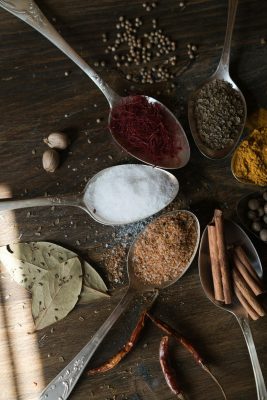
Epimedium (Barrenwort) — A cornerstone of traditional Chinese medicine for male vitality, valued for centuries as a tonic for libido and stamina. It contains icariin, the compound most associated with its traditional reputation for supporting healthy circulation.
Muira Puama (Ptychopetalum olacoides) — Known in the Amazon as “potency wood.” Traditionally prepared as a bark infusion and used to support sexual desire, physical stamina and mental clarity. One of the most direct links to the formula’s Tupi heritage.
Ginkgo Biloba — Among the most studied botanicals in the world, widely used to support peripheral circulation and cognitive function. In a vitality formula, its role is aligned with supporting healthy blood flow.
Damiana (Turnera diffusa) — A shrub used traditionally across Mexico and Central America as an aphrodisiac and mood tonic. Appreciated for its gentle, relaxing character — relevant given how strongly tension interferes with desire.
Oyster Extract (natural zinc source) — Oysters are among the richest natural sources of zinc, a mineral essential to the maintenance of normal testosterone levels, normal fertility and reproduction, and immune function. A genuinely evidence-backed inclusion.
Niacin (Vitamin B3) — Contributes to normal energy-yielding metabolism and the reduction of tiredness and fatigue. Also known for its vasodilatory activity, which fits the circulation-focused design of the formula.
Vitamin E — A fat-soluble antioxidant that contributes to the protection of cells from oxidative stress — relevant to vascular health, since oxidative damage to blood vessels is one factor in age-related decline in circulation.
Note on transparency: every ingredient above is legally permitted and commercially available in both the United States and the European Union. No restricted or banned botanicals appear in this analysis.
Pros
- Transparent formula — every ingredient and its role is disclosed, with no hidden proprietary blends.
- Fast-absorbing powder — dissolves in liquid, bypassing the slower breakdown of compressed capsules.
- Natural, non-habit-forming composition — no synthetic stimulants, no dependency concerns.
- GMP-certified U.S. manufacturing — produced under regulated quality and purity standards.
- 90-day money-back guarantee — a full three-month window, matching the timeline the product actually requires.
- Total discretion — no prescription, no clinic visit, and unmarked packaging on delivery.
Is Tupi Tea a Scam or Legit?
It’s a fair question, and anyone shopping in this category has earned the right to ask it. Male enhancement is arguably the most scam-saturated corner of the supplement industry — a space where products appear overnight, spend aggressively on advertising, collect orders, and disappear the moment refund requests start piling up. Skepticism here isn’t cynicism. It’s basic self-protection.
So let’s look at the actual markers, rather than the marketing.
The formula is disclosed. Every ingredient in Tupi Tea is named and identifiable — Epimedium (Barrenwort), Muira Puama, Ginkgo Biloba, Damiana, oyster extract, niacin, vitamin E. There’s no “proprietary blend” concealing a dusting of cheap filler behind an impressive-sounding label. Genuine scam products in this category almost always hide behind opaque blends, because disclosure would expose how little is actually inside.
Manufacturing is traceable. The product is produced in a GMP-certified facility in the United States, under regulated quality and purity standards. Counterfeit and fly-by-night operations overwhelmingly source from unregulated overseas facilities specifically because there’s no oversight and no accountability.
The refund window is unusually long. A 90-day, 100% money-back guarantee is not something a company offers on a product it knows disappoints most buyers. The economics simply don’t survive it — three months is more than enough time for the majority of customers to demand their money back. A generous return policy is one of the more reliable proxies for a company that expects its product to satisfy people.
And the mechanism is grounded in real physiology. The endothelium, nitric oxide signaling, the role of zinc in maintaining normal testosterone levels — none of this is invented science. It’s established, documented biology.
Now the honest part, because a review that only reassures you isn’t a review. Tupi Tea is a dietary supplement, not a medication. It does not treat, cure or prevent erectile dysfunction or any other condition, and it will not produce a pharmaceutical-grade result in forty-five minutes. Some of the marketing surrounding this product — as with most products in this category — leans on dramatic storytelling and ancient-secret framing that overstates what any supplement can realistically deliver. Judge the formula, not the narrative.
The verdict: Tupi Tea is a legitimate product from an accountable company, with a transparent formula, regulated manufacturing and a real guarantee behind it. It is not a miracle, and if persistent symptoms are your situation, they deserve a proper medical evaluation rather than a supplement alone.
Where the genuine scam risk lives is in the counterfeit listings on third-party marketplaces — imitations using the same branding with an entirely unknown formula inside, and no guarantee, no support and no accountability behind them. Buy through the official website and that risk disappears.
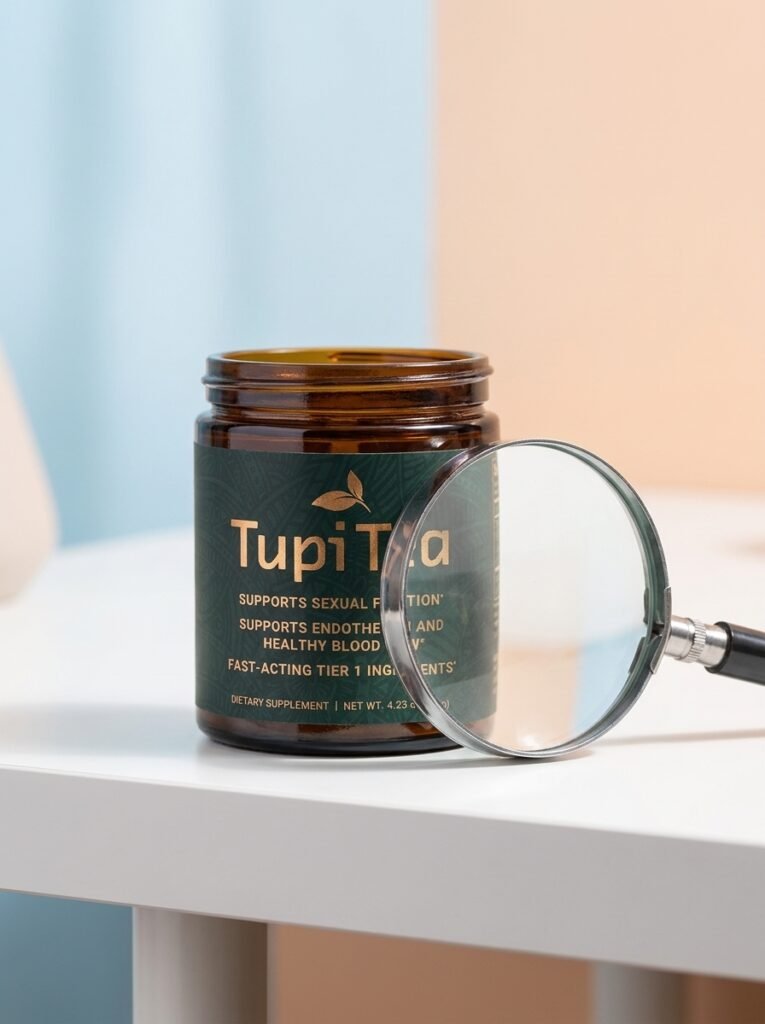
Is Tupi Tea a Scam or Legit?
It’s a fair question, and anyone shopping in this category has earned the right to ask it. Male enhancement is arguably the most scam-saturated corner of the supplement industry — a space where products appear overnight, spend aggressively on advertising, collect orders, and disappear the moment refund requests start piling up. Skepticism here isn’t cynicism. It’s basic self-protection.
So let’s look at the actual markers, rather than the marketing.
The formula is disclosed. Every ingredient in Tupi Tea is named and identifiable — Epimedium (Barrenwort), Muira Puama, Ginkgo Biloba, Damiana, oyster extract, niacin, vitamin E. There’s no “proprietary blend” concealing a dusting of cheap filler behind an impressive-sounding label. Genuine scam products in this category almost always hide behind opaque blends, because disclosure would expose how little is actually inside.
Manufacturing is traceable. The product is produced in a GMP-certified facility in the United States, under regulated quality and purity standards. Counterfeit and fly-by-night operations overwhelmingly source from unregulated overseas facilities specifically because there’s no oversight and no accountability.
The refund window is unusually long. A 90-day, 100% money-back guarantee is not something a company offers on a product it knows disappoints most buyers. The economics simply don’t survive it — three months is more than enough time for the majority of customers to demand their money back. A generous return policy is one of the more reliable proxies for a company that expects its product to satisfy people.
And the mechanism is grounded in real physiology. The endothelium, nitric oxide signaling, the role of zinc in maintaining normal testosterone levels — none of this is invented science. It’s established, documented biology.
Now the honest part, because a review that only reassures you isn’t a review. Tupi Tea is a dietary supplement, not a medication. It does not treat, cure or prevent erectile dysfunction or any other condition, and it will not produce a pharmaceutical-grade result in forty-five minutes. Some of the marketing surrounding this product — as with most products in this category — leans on dramatic storytelling and ancient-secret framing that overstates what any supplement can realistically deliver. Judge the formula, not the narrative.
The verdict: Tupi Tea is a legitimate product from an accountable company, with a transparent formula, regulated manufacturing and a real guarantee behind it. It is not a miracle, and if persistent symptoms are your situation, they deserve a proper medical evaluation rather than a supplement alone.
Where the genuine scam risk lives is in the counterfeit listings on third-party marketplaces — imitations using the same branding with an entirely unknown formula inside, and no guarantee, no support and no accountability behind them. Buy through the official website and that risk disappears.
Tupi tea Safety & Side Effects
Tupi Tea is manufactured in a GMP-certified facility in the United States, using ingredients that are non-GMO and free of stimulants or habit-forming substances. For most healthy adult men, the formula is well tolerated at the recommended daily dose.
The most commonly reported effects are mild and transient: slight digestive discomfort when taken on an empty stomach, or a temporary warm flushing sensation associated with niacin. Taking the powder alongside food generally resolves both.
Caution is warranted in specific situations. Ginkgo Biloba may interact with blood-thinning medications. Men taking nitrates, blood pressure medication, or being treated for cardiovascular conditions should speak with a physician before starting. The same applies to anyone with a shellfish allergy, given the oyster extract.
The product is intended for adult men only and is not designed to treat, cure or prevent any disease. If symptoms are persistent or worsening, that deserves medical evaluation — a supplement is support, not a substitute for a diagnosis.
Frequently Asked Questions About Tupi Tea
How long before I notice a difference?
Most men report early changes in energy and mood within the first two to four weeks. Effects on drive and performance tend to build more gradually, becoming clearer through the second and third month of consistent daily use.
How do I take it?
Mix one scoop into a glass of water, juice or your preferred beverage, once daily. Taking it with food helps if you have a sensitive stomach. Consistency matters far more than timing.
Is a prescription required?
No. Tupi Tea is a dietary supplement, not a medication, and is available without a prescription. That said, if you take prescription drugs — especially for blood pressure or blood thinning — check with your doctor first.
What if it doesn't work for me?
The product is backed by a 90-day money-back guarantee. If you’re not satisfied within that period, you can contact customer support for a refund according to the official policy — even on emptied containers.
Is the packaging discreet?
Yes. Orders ship in plain, unmarked packaging with no product names or descriptive labeling visible from the outside.
Tupi Tea Guarantee: 90 Days, 100% Money Back

Here’s the part that changes the entire calculation.
Your investment in Tupi Tea is covered by a 90-Day, 100% Money Back Guarantee. If you change your mind for any reason over the next three months, you simply call or email the customer service team and receive a full refund — no interrogation, no hoops to jump through.
Pay attention to why that window matters. Ninety days isn’t an arbitrary number pulled out of a marketing meeting. It’s almost exactly the period this kind of nutritional formula needs to be judged fairly — the second and third month is when men typically report the clearest changes in drive, energy and performance. A 14-day or 30-day guarantee would expire before the product had a real chance to prove anything. This one covers the entire evaluation.
Which means the risk sits with the company, not with you. You’re not paying for a promise; you’re paying to run the test. Take it daily for three months, judge it honestly against your own expectations, and if it doesn’t deliver what you were hoping for, you ask for your money back and you’re out nothing but the consistency it took to find out.
There aren’t many decisions in this category where the downside is genuinely that small.



Conclusion

Tupi Tea won’t rewrite your biology overnight, and any honest review should say so plainly. What it offers is something different and, for many men, more sustainable: consistent nutritional support aimed at the foundations — circulation, hormonal balance, energy and stress — rather than a temporary override of the symptom.
Its strengths are real ones. A transparent, recognizable ingredient list. A powder format built for absorption. Regulated U.S. manufacturing. Complete discretion from purchase to doorstep. And a 90-day guarantee that aligns precisely with the time the formula needs to be fairly judged — which means the only thing you’re truly risking is three months of consistency.
If the silence around this subject has gone on long enough, this is a reasonable, low-risk place to start. Just make sure you buy through the official website — it’s the only channel that guarantees the authentic formula, current pricing and full refund protection.
Where to Buy Tupi Tea: An Important Warning

Tupi Tea is sold exclusively through the manufacturer’s official website. It is not stocked by Amazon, Walmart, eBay, GNC, pharmacies, or any other retail channel — and this matters more than it might sound.
The male vitality market is one of the most heavily counterfeited categories in supplements. Listings appear on marketplaces using the same branding, the same product photography and a slightly lower price, while containing an entirely different formula — underdosed, adulterated, or in some cases spiked with undeclared pharmaceutical compounds. That last possibility isn’t merely a waste of money; it’s a genuine health risk, particularly for men taking blood pressure or heart medication.
There’s also a practical consequence. Buying through an unauthorized seller means you fall outside the manufacturer’s system entirely: no 90-day money-back guarantee, no customer support, no promotional pricing, and no way to verify what’s actually in the container. If something goes wrong with your order, there is nobody accountable.
Ordering through the official site guarantees four things: the authentic formula at full labeled potency, current promotional and multi-bottle pricing, the complete 90-day refund protection, and direct access to a real customer service team. Delivery arrives in plain, unmarked packaging with no product name visible from the outside.
If you’ve decided Tupi Tea is worth trying, buy it from the only place where the product — and the guarantee behind it — is real.